
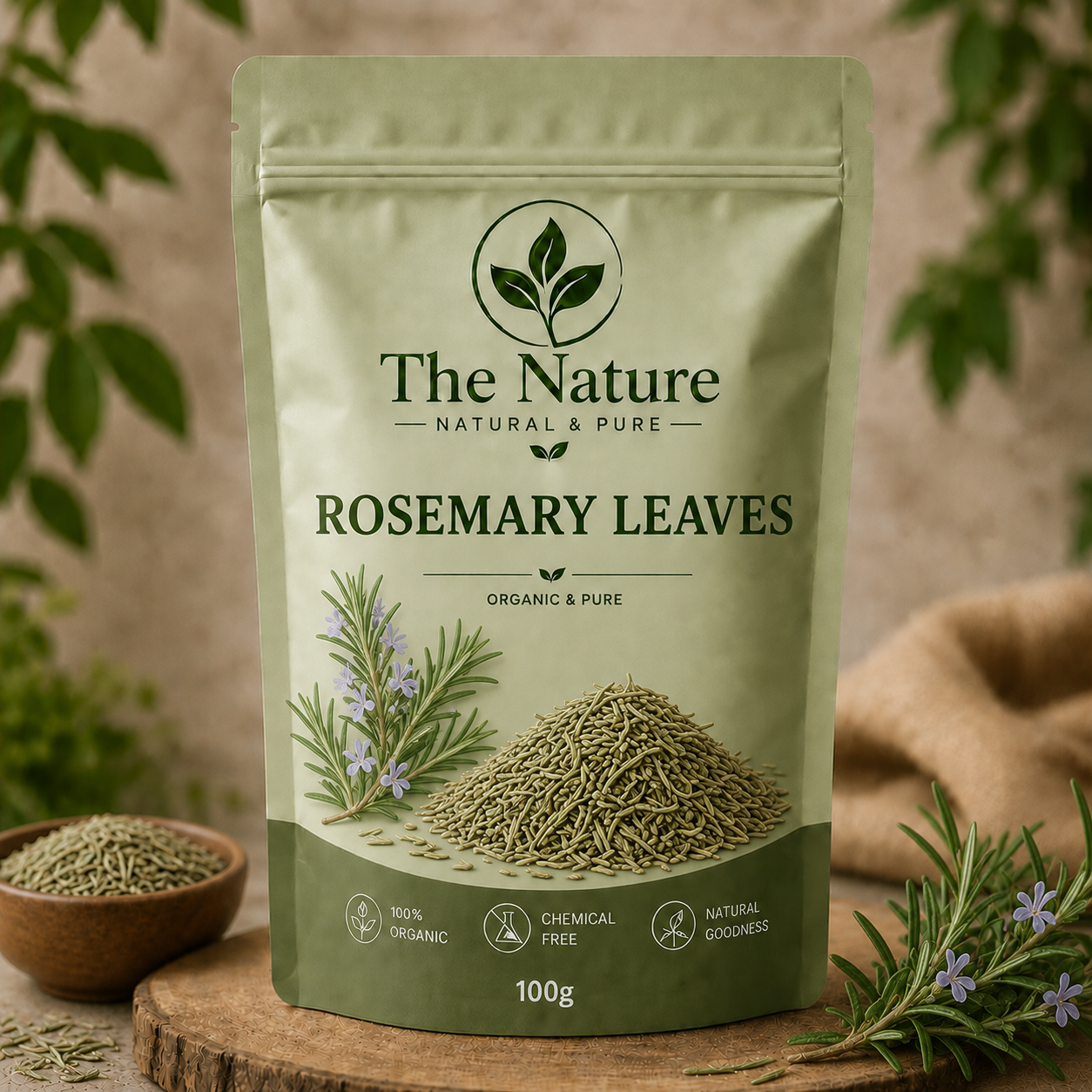
Organic Rosemary Leaves – The Herb Behind Sharper Minds, Stronger Hair, and Glowing Skin
Before it became a global hair care trend, Pakistani grandmothers were already boiling rosemary into oils and rinses. They knew something the rest of the world is only now catching up to.
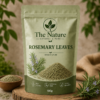
Known in Urdu as Ikleel-e-Kohi (اکلیل کوہی) and scientifically as Rosmarinus officinalis, Rosemary is a fragrant, needle-like Mediterranean herb that has been used for centuries in culinary, medicinal, and beauty traditions. At The Nature, our 100% organic Dried Rosemary Leaves are carefully selected, naturally dried, and packed fresh to preserve their full essential oil content and the complete spectrum of their health benefits.
Whether you are brewing rosemary tea for memory and focus, making a scalp rinse for hair growth, using it as a skin toner, or adding it to your cooking — these aromatic leaves are one of the most versatile herbs you can keep in your home.
Why Choose The Nature’s Rosemary Leaves?
100% organic and pure — no additives, artificial drying agents, or preservatives. Rich in rosmarinic acid, carnosic acid, cineole, camphor, and essential oils responsible for rosemary’s health benefits. Naturally dried to preserve full essential oil content and therapeutic potency. Versatile — use for hair care, herbal tea, skin care, cooking, and aromatherapy. Increasingly popular in Pakistan as the natural, affordable source behind the global rosemary hair growth trend. Locally known as Ikleel-e-Kohi and Rusmary — a herb with a growing presence in both traditional and modern Pakistani wellness routines.
Benefits of Rosemary Leaves
Promotes Hair Growth and Reduces Hair Fall
This is rosemary’s most celebrated benefit in Pakistan right now — and the science supports the reputation. Rosemary increases blood circulation when applied to the scalp, which helps hair follicles grow. It also targets DHT — the hormone responsible for hair thinning and pattern hair loss — by naturally reducing its effect on follicles. Its antibacterial properties calm an itchy, flaky scalp and reduce dandruff, while its nutrients nourish hair from root to tip. Rosemary leaves encourage hair to grow thicker, reduce hair breakage and prevent thinning, and promote a healthier scalp environment.
Sharpens Memory, Focus, and Mental Clarity
Rosemary acts as a cognitive stimulant, enhancing memory, alertness, intelligence, and focus. Its active compounds — particularly rosmarinic acid and the aromatic compound cineole — support neurotransmitter function and brain health. Even the aroma of rosemary has been shown in research to improve concentration and reduce mental fatigue. For students, working professionals, and older adults, this makes rosemary tea a genuinely useful daily ritual.
Reduces Stress and Lifts Mood
The aroma of rosemary promotes mood improvement, mental clarity, and stress relief. Its mild anxiolytic properties make rosemary tea or rosemary steam a useful natural tool for managing everyday stress and mental tension.
Supports Healthy Digestion
Rosemary helps with digestion problems such as heartburn, gas, and loss of appetite. It supports healthy gut movement and has traditionally been used to soothe digestive discomfort after meals.
Nourishes and Protects Skin
Rosemary leaves contain antioxidants — particularly rosmarinic acid and carnosic acid — that help protect skin cells from sun damage and free radical damage. Used as a toner or face rinse, rosemary water helps tighten pores, reduce acne, and leave skin feeling refreshed and revitalized.
Supports Immunity
Rich in antioxidants and anti-inflammatory compounds, rosemary helps boost the immune system and improves blood circulation. It is also effective against bacterial infections including staph infections, owing to its natural antimicrobial properties.
Supports Respiratory Health
Inhaling rosemary steam or rosemary tea may help relieve congestion, promote easier breathing, and support overall respiratory comfort — a useful natural remedy during cold and flu season.
Relieves Muscle and Joint Pain
Rosemary has analgesic and anti-inflammatory properties. Applied topically as an infused oil or poultice, it may help alleviate localized muscle pain, soreness, and joint discomfort.
How to Use Rosemary Leaves?
Rosemary Hair Rinse (Most Popular Use):
Boil 2–3 tablespoons of dried rosemary leaves in 2 cups of water for 15 minutes. Allow to cool completely and strain. After shampooing, pour the rosemary infusion over your scalp and hair, massage gently into the scalp, and either rinse after a few minutes or leave in as a final rinse for enhanced growth and shine. Use 2–3 times a week for best results.
Rosemary Infused Scalp Oil:
Soak dried rosemary leaves in a carrier oil — such as coconut oil, olive oil, or almond oil — in a sealed jar for 2–4 weeks in a warm place. Strain and apply the infused oil to the scalp, massaging in circular motions. Leave for at least 30 minutes or overnight before washing out.
Rosemary Tea for Memory and Focus:
Steep 1 teaspoon of dried rosemary leaves in a cup of hot water for 5–7 minutes. Strain and drink warm. Add honey to taste. Best consumed in the morning for mental clarity throughout the day.
Rosemary Water as a Skin Toner:
Brew rosemary leaves in water, allow to cool completely, strain, and apply to the face with a cotton pad as a natural toner to tighten pores, reduce acne, and refresh skin.
In Cooking:
Add dried rosemary leaves to roasted meats, soups, stews, gravies, bread, and marinades for a distinctive savory, pine-like aroma and flavor. It pairs especially well with chicken, lamb, and roasted potatoes.
Note: Rosemary is generally safe in culinary and moderate herbal use for most people. Pregnant and breastfeeding women should avoid rosemary in large supplemental amounts and consult a healthcare provider before use. Those on blood-thinning or seizure medications should also consult a doctor before regular use.
Product Details
| Detail | Info |
|---|---|
| Product Name | Organic Dried Rosemary Leaves (Ikleel-e-Kohi / اکلیل کوہی) |
| Net Weight | 50g / 100g (update as per your packaging) |
| Form | Dried Whole Leaves |
| Scientific Name | Rosmarinus officinalis / Salvia rosmarinus |
| Origin | 100% Natural, Organically Grown |
| Storage | Store in a cool, dry place away from moisture and direct sunlight |
| Shelf Life | 24 months from packaging |
Frequently Asked Questions
Q: What is Rosemary called in Urdu?
Rosemary is known as Ikleel-e-Kohi (اکلیل کوہی) in classical Urdu and herbal terminology. It is also commonly referred to as Rusmary or Rosemary in everyday Pakistani usage. In some regions it is called Daunee ka paudha.
Q: How do I use dried rosemary leaves for hair growth?
The most effective methods are the rosemary hair rinse — boiling leaves in water, cooling, straining, and pouring over the scalp after shampooing — and rosemary infused scalp oil, made by soaking leaves in a carrier oil for 2–4 weeks. Both methods improve scalp blood circulation and nourish hair follicles. Use consistently 2–3 times a week for best results.
Q: How long does it take to see results from rosemary for hair growth?
Most people begin to notice improvements in hair thickness and reduced fall within 4–8 weeks of consistent use. Hair growth results require patience — consistent long-term use is key.
Q: Can I make rosemary water at home with dried leaves?
Yes. Boil dried rosemary leaves in water, cool, and strain. The resulting rosemary water can be used as a hair rinse, face toner, or herbal drink. It is a simple, affordable, and effective way to access the benefits of rosemary from home.
Q: Is rosemary tea good for memory and focus?
Yes. Rosemary contains compounds including rosmarinic acid and cineole that act as cognitive stimulants. Regular consumption of rosemary tea has been associated with improved memory, alertness, and concentration.
Q: Are dried rosemary leaves as effective as rosemary oil?
Dried rosemary leaves are the natural source from which rosemary oil and rosemary extract are derived. Using dried leaves to make infused oils and hair rinses at home gives you access to the same active compounds — often in a fresher, more natural, and more affordable form than commercially prepared rosemary oil products.
Q: Can I use rosemary leaves on my skin?
Yes. Rosemary water used as a face toner helps tighten pores, reduce acne, and protect skin from oxidative damage. Its anti-inflammatory properties also soothe redness and irritation when applied topically.
Q: Is rosemary safe during pregnancy?
In small culinary amounts added to food, rosemary is generally considered safe. However, pregnant women should avoid large supplemental or medicinal amounts and consult a healthcare provider before use.
Go Natural. Choose The Nature.
The herb behind sharper minds, stronger hair, and glowing skin — now in its purest, most organic dried form. Order your Rosemary Leaves today and bring this ancient herbal tradition back into your daily routine.



Reviews
There are no reviews yet.