Organic Poppy Seeds (Khaskhash) – A Tiny Seed Behind Centuries of Pakistani Cooking
From Khashkhash ka halwa to desi gravies, these tiny seeds have been a part of Pakistani kitchens for generations.
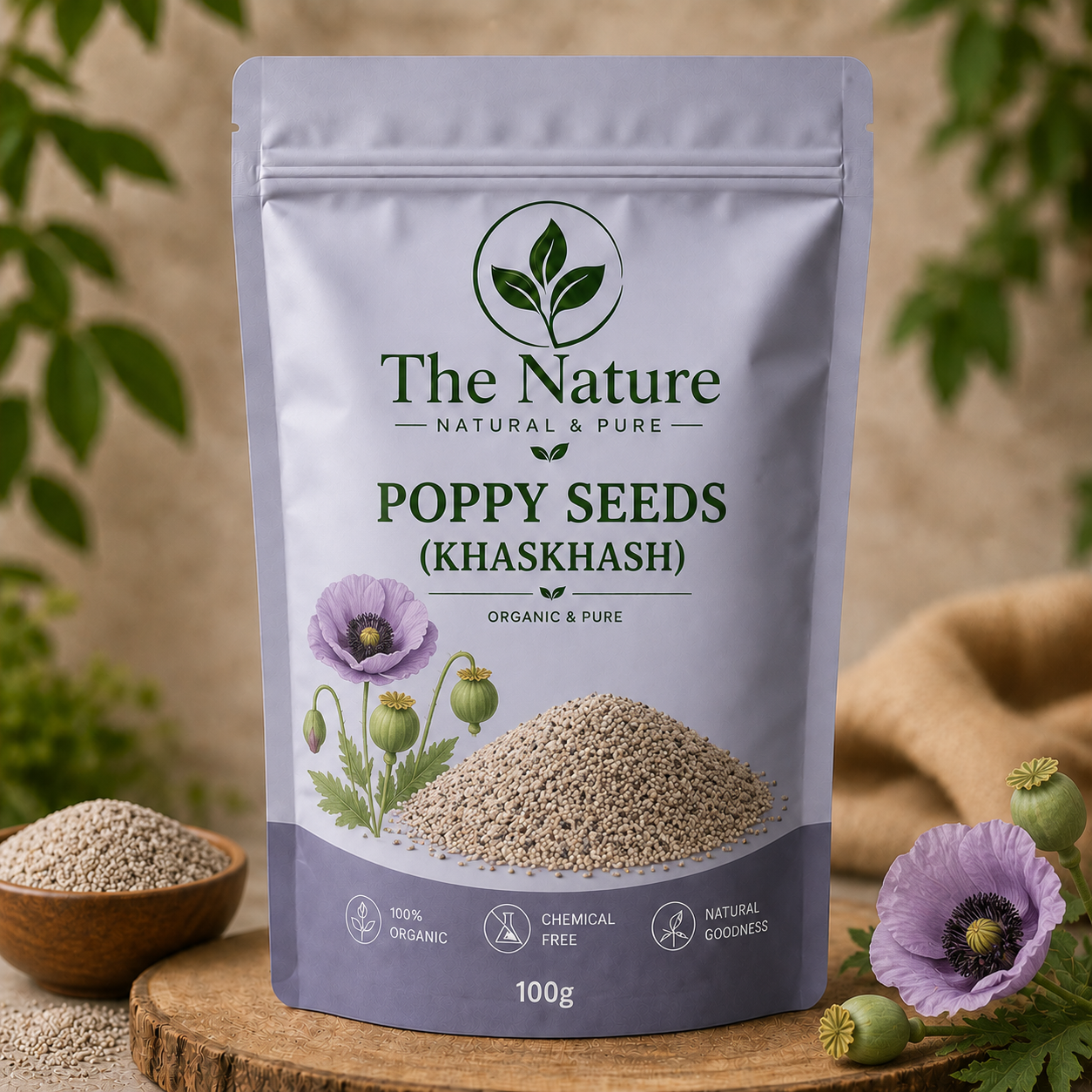
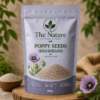
Known across Pakistan as Khaskhash (خشخاش) or Khus Khus, Poppy Seeds are small, kidney-shaped oil seeds harvested from the poppy plant (Papaver somniferum) and have been a staple of Pakistani cuisine and traditional home cooking for centuries. At The Nature, our 100% pure Poppy Seeds are carefully selected, hygienically cleaned, and packed fresh to preserve their naturally nutty flavor and impressive nutritional profile.
Rich in calcium, magnesium, iron, fiber, healthy fats, and antioxidants, Khaskhash is far more than just a cooking ingredient. It’s a genuinely nutritious seed with a long tradition in Pakistani households, from festive halwas to everyday gravies.
Why Choose The Nature’s Poppy Seeds (Khaskhash)?
100% pure and natural, carefully cleaned, no additives, dyes, or artificial preservatives. Rich in calcium, magnesium, iron, phosphorus, zinc, fiber, and healthy unsaturated fats. Culinary-grade, cleaned to remove surface residues, suitable for everyday cooking. Mild, nutty flavor, versatile for both sweet and savory recipes. A trusted staple in Pakistani kitchens from halwas and curries to naans and gravies. Naturally gluten-free and Halal.
What Makes Khaskhash a Kitchen Staple?
Naturally High in Fiber
Khaskhash has a rich fiber content, a useful addition to a varied diet, particularly in Pakistani households where rich, spicy food is a daily reality.
A Natural Source of Calcium and Phosphorus
Poppy seeds are one of the richest natural food sources of calcium and phosphorus, along with magnesium, making them a nutrient-dense addition to meals.
Rich in Healthy Fats
Khaskhash is a natural source of healthy fats, particularly omega-6 and omega-3 fatty acids, contributing to its well-rounded nutritional profile.
A Traditional Bedtime Addition
A well-known tradition in Pakistan is mixing Khaskhash into warm milk before bed. This is a long-standing cultural practice passed down through generations, rooted in Khaskhash’s mild flavor and its place in traditional home remedies, rather than a clinically established use.
Used Traditionally in Skin Care
Khaskhash has traditionally been used as a face scrub ingredient in South Asian households, valued for its texture and gentle exfoliating quality when mixed with yogurt.
A Source of Iron
Kashkhash contains iron, a mineral your body needs as part of a balanced diet.
A Natural Source of Manganese
Poppy seeds contain manganese, one of several minerals that contribute to their nutritional profile.
How to Use Poppy Seeds (Khaskhash)?
In Traditional Pakistani Cooking:
Add to halwa, sheer khurma, curries, gravies, and sauces. Ground Khaskhash is a traditional thickening agent for gravies and kormas, adding a rich, creamy texture.
Sprinkled Over Naan and Bread:
Sprinkle whole Khaskhash seeds over naan, rotis, bread, buns, or biscuits before baking for added crunch and flavor.
Warm Milk with Khaskhash (Traditional Bedtime Drink):
Mix one teaspoon of Khaskhash into warm milk with honey as a traditional bedtime drink, a long-standing custom in many Pakistani households.
As a Face Scrub:
Mix 2 teaspoons of Khaskhash with yogurt. Rub gently on the face and neck in circular motions, massage for a few minutes, then rinse off, a traditional exfoliating scrub.
Sprinkled Over Food:
Add to salads, yogurt, oatmeal, or smoothies for a nutty crunch.
Note: The general recommendation for adults is 1–2 teaspoons per day as a food ingredient. Poppy seeds come from the Papaver somniferum plant and contain trace amounts of opiate alkaloids. At culinary amounts they are safe and not intoxicating, but very large quantities are not recommended. Sensitive drug tests may detect trace residues for up to 48 hours after consumption; those subject to workplace or sports drug testing should be aware of this. Pregnant women should consult a healthcare provider before regular use.
Product Details
| Detail | Info |
|---|---|
| Product Name | Organic Poppy Seeds (Khaskhash / خشخاش) |
| Net Weight | 100g / 200g (update as per your packaging) |
| Form | Whole Seeds |
| Scientific Name | Papaver somniferum |
| Common Names | Khaskhash, Khus Khus, Khashkhash |
| Origin | 100% Natural, Organically Grown |
| Storage | Store in a cool, dry place away from moisture and heat |
| Shelf Life | 24 months from packaging |
Frequently Asked Questions
Q: Are Poppy Seeds (Khaskhash) safe to eat?
Yes. Poppy seeds in culinary amounts, 1–2 teaspoons daily, are safe for most healthy adults and are widely consumed in Pakistani cooking. While they come from the Papaver somniferum plant, the trace alkaloid content in cleaned, culinary-grade seeds is not sufficient to cause intoxication or addiction.
Q: Will eating Khaskhash make me intoxicated or cause addiction?
No. While poppy seeds come from the opium poppy plant, culinary-grade seeds contain only trace amounts of opiate residues, far too low to cause intoxication or addiction. During harvesting and cleaning, almost all opiate content is removed. Poppy seeds have been consumed safely in Pakistani cooking for centuries.
Q: Can Khaskhash cause a positive drug test result?
Although poppy seeds contain traces of morphine and codeine, the amounts are very low in properly cleaned seeds. However, sensitive drug tests can detect these residues for up to 48 hours after consumption. Those subject to workplace or sports drug testing should be aware of this before consuming poppy seeds.
Q: How much Khaskhash should I eat daily?
1–2 teaspoons per day is the generally recommended amount for most healthy adults as part of a normal diet. Avoid excessive consumption.
Q: Is Khaskhash traditionally used before bed?
Yes, mixing Khaskhash into warm milk with honey before bedtime is a long-standing Pakistani household tradition. This is a cultural practice rather than a clinically proven remedy.
Q: Can I use Khaskhash for skin care?
Yes, mixed with yogurt, Khaskhash is traditionally used as an exfoliating face scrub in South Asian households.
Q: Is Khaskhash safe during pregnancy?
Pregnant women should consult their healthcare provider before consuming Khaskhash regularly, as the trace alkaloid content means it’s best avoided in large amounts during pregnancy.
Q: What is the difference between white, blue, and black Khaskhash?
These are simply different varieties of the same poppy seed. White Khaskhash is the most common in Pakistan and South Asia. Blue and black varieties are more common in European baking. All varieties have a largely similar nutritional profile.
Go Natural. Choose The Nature.
A kitchen staple trusted in Pakistani homes for generations, now in its purest, most organic form. Order your Khaskhash today and rediscover the flavor and tradition of this timeless seed.
Browse more: seeds and herbs
Pairs well with: our panjeeri




Reviews
There are no reviews yet.