



Your cart is empty Continue Shopping
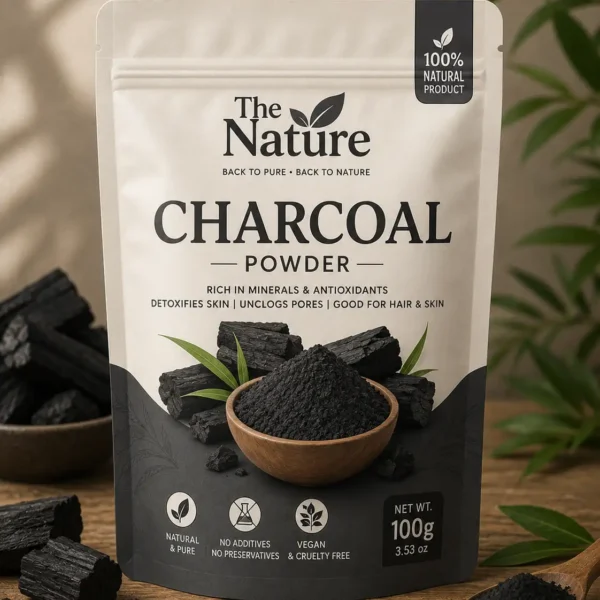
Activated Charcoal Powder for Face Mask and Teeth
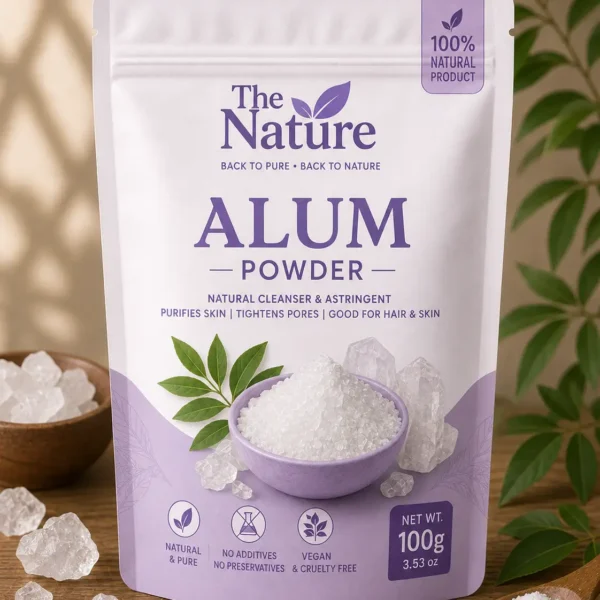
Price range: ₨ 449 through ₨ 2,999 This product has multiple variants. The options may be chosen on the product pageAlum (Phitkari) Powder Natural, Multipurpose Pure Form
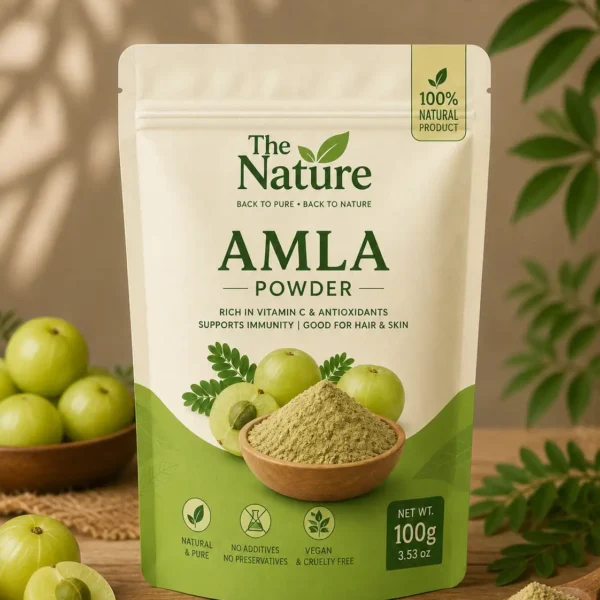
Price range: ₨ 499 through ₨ 3,499 This product has multiple variants. The options may be chosen on the product pageAmla Powder for Hair Growth and Conditioning, 100% Pure
Price range: ₨ 649 through ₨ 4,999 This product has multiple variants. The options may be chosen on the product pageBeetroot Powder for Skin Glow, Lip Tint and Face Mask
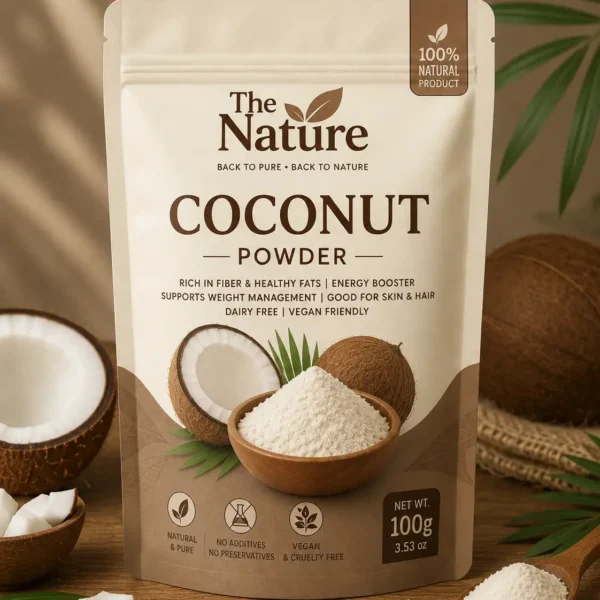
Price range: ₨ 549 through ₨ 4,999 This product has multiple variants. The options may be chosen on the product pageCoconut Powder Pure and Natural for Cooking and Skin
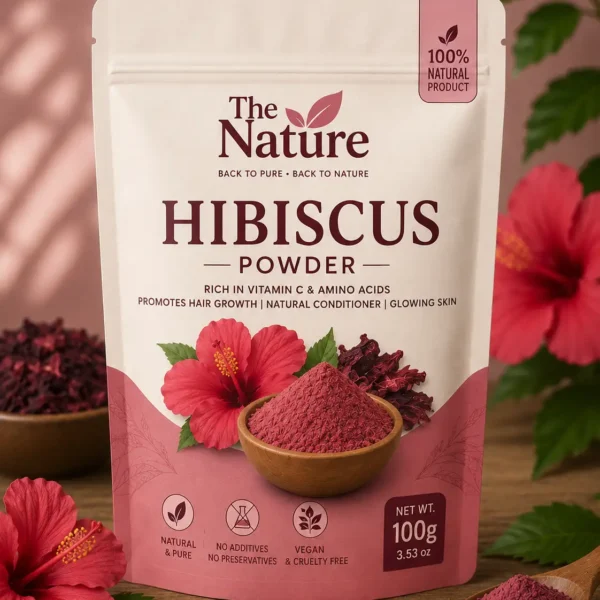
Price range: ₨ 599 through ₨ 5,499 This product has multiple variants. The options may be chosen on the product pageHibiscus Powder for Hair Growth and Conditioning
Price range: ₨ 799 through ₨ 7,999 This product has multiple variants. The options may be chosen on the product pageLicorice (Mulethi) Powder for Skin Brightening and Dark Spots
Price range: ₨ 549 through ₨ 3,799 This product has multiple variants. The options may be chosen on the product pageMoringa Powder Superfood for Health, Skin and Hair
Price range: ₨ 999 through ₨ 7,499 This product has multiple variants. The options may be chosen on the product pageNeem Powder for Acne, Skin and Hair, 100% Pure
Price range: ₨ 499 through ₨ 3,499 This product has multiple variants. The options may be chosen on the product pageOrange Peel Powder for Skin Brightening and Face Mask
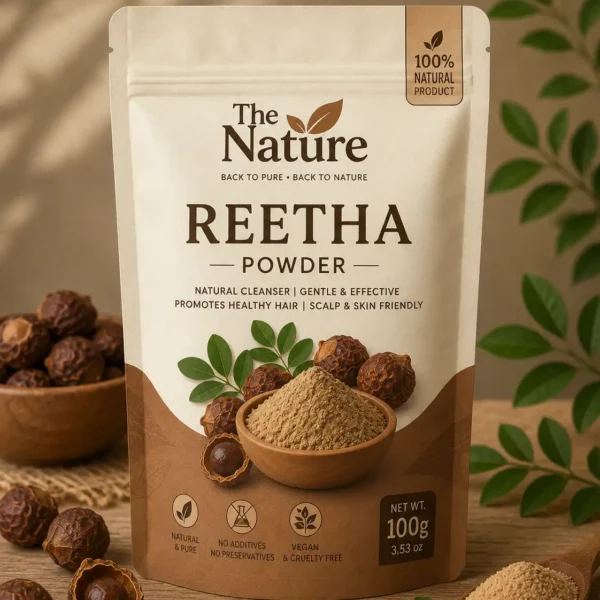
Price range: ₨ 449 through ₨ 2,999 This product has multiple variants. The options may be chosen on the product pageReetha Powder (Soapnut) Natural Hair Wash, 100% Pure
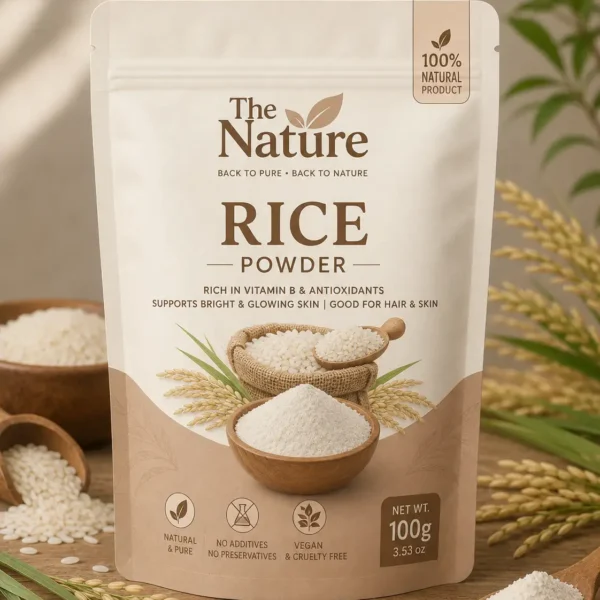
Price range: ₨ 599 through ₨ 3,999 This product has multiple variants. The options may be chosen on the product pageRice Powder for Face Brightening and Oil Control
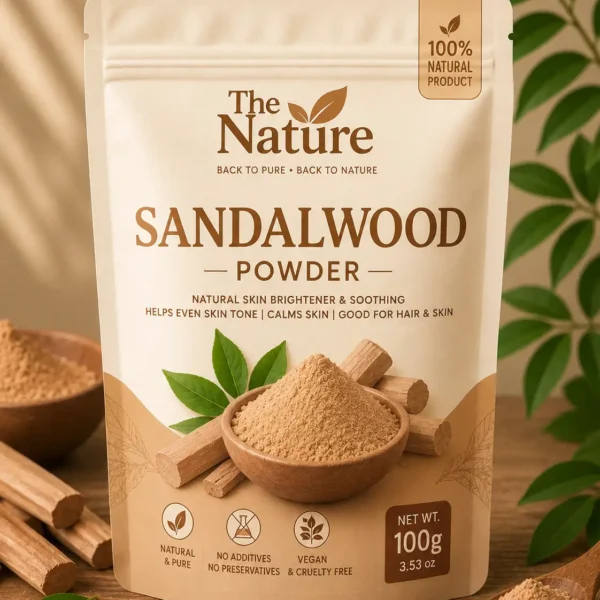
Price range: ₨ 499 through ₨ 1,999 This product has multiple variants. The options may be chosen on the product pageSandalwood (Chandan) Powder for Glowing Skin & Face Mask
Price range: ₨ 999 through ₨ 6,499 This product has multiple variants. The options may be chosen on the product pageShikakai Powder Natural Hair Cleanser and Shampoo
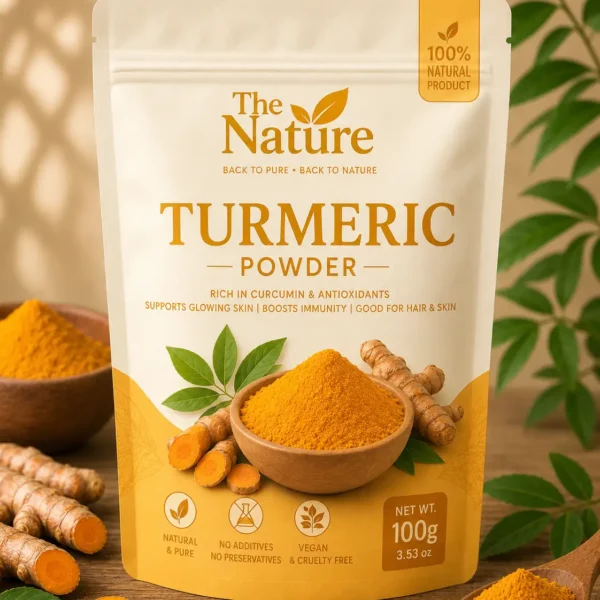
Price range: ₨ 549 through ₨ 3,499 This product has multiple variants. The options may be chosen on the product pageTurmeric (Haldi) Powder for Glowing Skin & Face Mask
Price range: ₨ 299 through ₨ 2,999 This product has multiple variants. The options may be chosen on the product page
Showing 15 of 15 products
Buy Pure & Natural Herbal Powders Online In Pakistan
Herbal powders are finely ground botanicals used across wellness, beauty, and culinary routines for centuries. By grinding roots, leaves, and fruits into a fine powder, these herbs become easier to absorb, mix, and incorporate into daily rituals — whether that’s a morning wellness shot, a nourishing face mask, or a homemade herbal remedy.
Our herbal powders collection features finely milled, single-ingredient powders sourced from trusted growers. Each batch is tested for purity, ensuring you get a clean, potent powder free from fillers, additives, or contaminants — just the plant, ground to perfection.
Whether you’re looking to support digestion, add antioxidants to your diet, create a natural face mask, or explore Ayurvedic wellness traditions, you’ll find a powder suited to your goals below.
Shop Herbal Powders by Category
- Wellness & Immunity — Moringa, Ashwagandha, Amla, Tulsi
- Skin & Beauty — Multani Mitti (Fuller’s Earth), Sandalwood, Neem
- Hair Care — Amla, Bhringraj, Hibiscus, Henna
- Digestive Support — Triphala, Fennel, Ginger
- Culinary & Superfood — Turmeric, Beetroot, Spirulina
Why Choose Our Herbal Powders?
Finely Milled for Easy Use Our powders are ground to a smooth, consistent texture that mixes easily into drinks, masks, and pastes.
100% Pure, No Fillers Each powder contains only the ground herb — no added starches, colors, or synthetic ingredients.
Lab Tested for Purity Every batch is tested for contaminants and heavy metals to ensure safety and quality.
Sustainably Sourced We work with growers who follow ethical, sustainable harvesting and processing methods.
Multi-Purpose Formulations From wellness drinks to DIY face masks and hair treatments, our powders support a range of daily rituals.
How to Use Herbal Powders?
- Wellness Drinks & Smoothies — Mix half to one teaspoon of powder into water, juice, or a smoothie for a daily wellness boost.
- Face Masks — Combine powder with water, yogurt, or rosewater to form a paste; apply to clean skin and rinse after 15–20 minutes.
- Hair Masks — Mix powders like amla or hibiscus with water or oil to create a nourishing hair treatment.
- Herbal Pastes — Blend with warm water to create a paste for traditional topical application.
- Cooking & Baking — Stir culinary powders like turmeric or beetroot into meals, soups, or baked goods for added nutrition and color.
Buying Guide: How to Choose the Right Herbal Powder?
Identify Your Goal Choose powders based on your specific need — Ashwagandha for stress support, Amla for hair and skin, or Triphala for digestive wellness.
Check for Particle Size & Texture A finely milled powder mixes more smoothly into drinks and masks, while coarser powders may need extra soaking or blending time.
Look for Third-Party Testing Since powders are often sourced from soil-grown roots and leaves, lab testing for heavy metals and contaminants is an important quality marker.
Consider Organic Certification If pesticide exposure is a concern, look for powders labeled organic or grown without synthetic chemicals.
Check Color & Smell Fresh, high-quality herbal powders typically have a vibrant color and a distinct natural aroma; dull color or a musty smell can indicate age or poor storage.
Frequently Asked Questions
How do I store herbal powders to keep them fresh? Store herbal powders in an airtight container away from moisture, heat, and direct sunlight to preserve their potency and shelf life, typically for up to 1–2 years.
Can herbal powders be taken daily? Many herbal powders like moringa and ashwagandha are commonly used daily in small amounts, but it’s best to start with a small dose and consult a healthcare provider, especially if you’re pregnant, nursing, or on medication.
What’s the difference between herbal powder and herbal capsules? Herbal powders offer more flexibility for mixing into food, drinks, or topical pastes, while capsules provide a pre-measured, convenient dose without taste or texture considerations.
Are herbal powders safe for sensitive skin? Most herbal powders are gentle, but it’s a good idea to patch-test any new powder-based mask on a small area of skin before full application, especially for sensitive or reactive skin types.
Can herbal hair powders replace regular hair dye or conditioner? Powders like henna can tint hair naturally, while others like amla and hibiscus are used more for conditioning and scalp health rather than as a full replacement for chemical hair dye.
Do herbal powders expire? Yes, herbal powders can lose potency and develop a stale smell over time, especially if exposed to moisture or sunlight, so it’s best to use them within the recommended shelf life on the packaging.
Explore our full range of pure herbal powders today and bring the power of botanicals into your wellness, beauty, and hair care routine.